Wildstreet: Bringing Authentic Urban Energy to Your Designs
What Is Wildstreet?
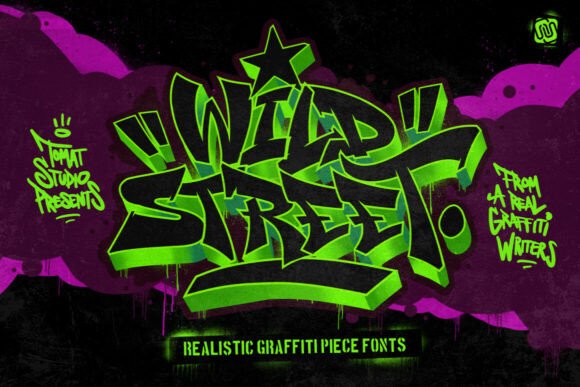
Wildstreet is a graffiti-style font crafted to reflect the raw, unfiltered energy of real urban street art. Designed by a seasoned street artist with deep roots in the graffiti scene, this typeface encapsulates the boldness, grit, and authenticity of underground culture. Unlike many stylized fonts that imitate street art from a distance, Wildstreet is born from firsthand experience, making it a genuine representation of the street aesthetic.
Whether you're designing for a music brand, apparel line, or digital campaign, Wildstreet delivers a strong visual punch. Its distinct character and urban edge make it ideal for creatives looking to inject authenticity and attitude into their work without sacrificing usability.
Design Challenges in Urban-Themed Projects
Many designers struggle to find the right typographic voice when working on projects that center around street culture, hip-hop, or urban grunge. The challenge lies in balancing authenticity with legibility, and style with practicality. Too often, fonts that attempt to mimic graffiti end up looking cartoonish or overly stylized, failing to capture the real essence of the culture.
Additionally, some fonts lack the flexibility needed for different design contexts, making them hard to integrate into branding, packaging, or digital assets. This is where Wildstreet stands out—not only does it maintain the raw spirit of street art, but it also offers the adaptability required for modern design workflows.
How Wildstreet Meets Design Needs
Wildstreet bridges the gap between authenticity and usability. Its design is rooted in real-world graffiti, giving it a sense of legitimacy that other fonts often miss. Whether you're working on a poster for a music festival, a clothing brand identity, or a social media graphic with an urban edge, Wildstreet ensures your typography supports your message without overshadowing it.
One of the font’s key strengths is its versatility. Despite its wild appearance, it's built to be functional. Designers can easily integrate it into a variety of platforms and formats, from print to digital, ensuring consistent visual impact across mediums.
Practical Applications of Wildstreet
- Brand Identity: Streetwear brands, sneaker companies, and urban lifestyle labels can use Wildstreet to establish a bold, recognizable visual identity that resonates with younger, trend-conscious audiences.
- Event Promotion: Concert posters, skate competitions, and underground art shows benefit from the high-energy look of Wildstreet, helping to convey excitement and authenticity.
- Editorial Design: Magazines and zines focused on street culture, music, or youth subcultures can incorporate Wildstreet for headlines and feature titles that reflect the publication’s tone.
- Digital Content: Social media creatives, YouTube thumbnails, and website headers can all be elevated with Wildstreet, giving digital assets a distinctive edge in a crowded online space.
Getting the Most Out of Wildstreet
To truly make Wildstreet your own, consider adjusting the kerning and baseline settings to align with your design goals. These small tweaks can significantly enhance readability and visual harmony, especially when pairing Wildstreet with more structured fonts for body text or subheadings.
Since Wildstreet is PUA-encoded, accessing alternate characters, swashes, and glyphs is straightforward. This allows for a high level of customization, enabling designers to create unique typographic treatments without needing advanced software knowledge.
Pairing Wildstreet With Other Fonts
For a balanced design, pair Wildstreet with clean, minimalist fonts like sans-serif typefaces. This contrast helps maintain visual hierarchy while allowing Wildstreet to shine as a focal point. Consider combinations like:
- Wildstreet + Helvetica Neue
- Wildstreet + Futura
- Wildstreet + Montserrat
These pairings ensure that your design remains cohesive, readable, and stylistically compelling.
Who Should Use Wildstreet?
Wildstreet is ideal for designers, illustrators, and brand creators who want to convey a sense of rebellion, authenticity, and urban flair. It’s especially valuable for:
- Graphic designers working on music, fashion, or youth-oriented projects.
- Street artists and muralists who need typography that complements their visual style.
- Marketing professionals crafting campaigns for brands rooted in urban culture.
- Content creators looking to stand out on digital platforms with high-impact visuals.
How Different Users Approach Wildstreet
Each user brings a unique perspective to how they apply Wildstreet. For example:
- A streetwear brand designer might use Wildstreet for logo treatments and product tags to reinforce a gritty, underground aesthetic.
- A digital artist could incorporate Wildstreet into illustration compositions to add a layer of realism and cultural relevance.
- An event promoter may rely on Wildstreet for flyers and social media assets to attract attention and convey the raw energy of a live experience.
Regardless of the application, the key is to tailor the font’s usage to your specific visual goals while respecting its stylistic roots.
Final Thoughts: Making the Most of a Unique Typeface
Wildstreet is more than just a graffiti font—it’s a tool for storytelling, branding, and creative expression. By combining the authenticity of real street art with the flexibility of modern typography, it empowers designers to create work that feels both bold and grounded.
If you're looking to elevate your design work with a typeface that speaks directly to the heart of urban culture, Wildstreet is a powerful choice. Whether you're designing for print, digital, or physical products, this font offers a compelling blend of style, substance, and usability.
Explore how Wildstreet can enhance your next project and bring a sense of raw realism and energy to your designs. With the right approach, it can become a signature element of your creative toolkit.