Cowboy Forge: A Bold Typography Choice for Authentic Western Design
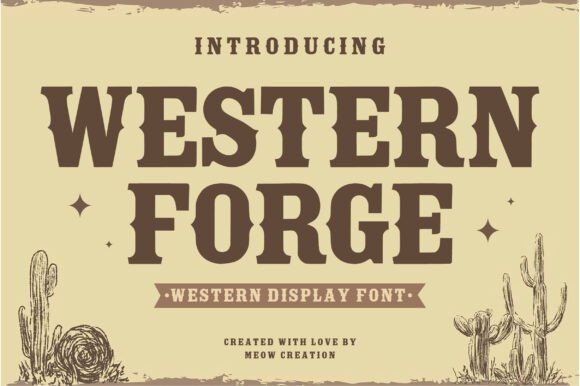
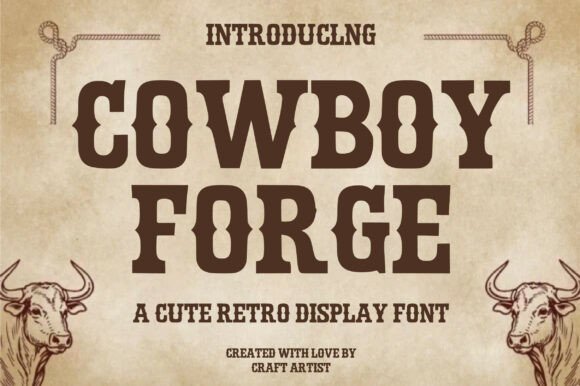
Typography plays a crucial role in visual communication, and when the goal is to evoke a rugged, authentic western aesthetic, Cowboy Forge stands out as a compelling choice. This bold display font, inspired by classic cowboy posters and ranch lettering, delivers a strong visual impact that aligns with branding, marketing, and design workflows requiring a distinctive Wild West feel. Whether you're crafting a logo, designing a label, or developing a themed marketing campaign, Cowboy Forge can serve as a key element in your creative toolkit.
Understanding Cowboy Forge in the Design Workflow
Cowboy Forge is more than just a typeface; it's a design asset that fits naturally into the broader creative process. Its strong serifs and vintage style make it ideal for projects where authenticity and visual storytelling are priorities. In a typical design workflow, this font can be introduced early in the concept phase to establish a visual tone. It can also be refined during the mockup stage or used as a final touch to reinforce brand identity in deliverables.
For designers working on branding materials for a western-themed business, Cowboy Forge can be selected alongside color palettes and imagery to create a cohesive look. Similarly, marketers launching a themed campaign can integrate the font into digital ads, social media assets, and print materials to maintain a consistent message across channels.
Integration with Tools and Platforms
One of the advantages of Cowboy Forge is its compatibility with common design tools and platforms. Whether you're using Adobe Creative Suite, Figma, Canva, or even CSS for web design, this font can be easily imported and applied. Most modern design software supports custom font uploads, making it simple to incorporate Cowboy Forge into both digital and print formats.
- Adobe Photoshop: Use as a headline font in poster designs or logo mockups.
- Illustrator: Ideal for vector-based branding elements and badges.
- Canva: Drag-and-drop integration for quick social media graphics and presentations.
- CSS: Embed via @font-face for web headers and landing pages with a rustic aesthetic.
When working in collaborative environments, ensure that all team members have access to the font file or use cloud-based tools that support shared font libraries. This maintains consistency and avoids substitution issues during file transfers.
Practical Use Cases and Implementation Tips
Using Cowboy Forge effectively requires more than just installing the font — it involves thoughtful placement and pairing. Here are some practical implementation tips:
- Pair with complementary fonts: Due to its bold nature, Cowboy Forge works best when paired with simpler sans-serif or script fonts for body text. Avoid using multiple heavy fonts in the same layout.
- Limit usage to headlines and accents: This font shines in titles, badges, and callouts. It’s not ideal for long-form content due to its decorative nature.
- Adjust spacing for readability: Kerning and line spacing may need manual tweaking to prevent visual clutter, especially in smaller sizes.
- Test across formats: Preview how the font renders in print, on screens, and at various resolutions to ensure legibility in all contexts.
For entrepreneurs launching a western-themed product line, Cowboy Forge can unify packaging, website headers, and promotional materials. Bloggers and content creators focusing on outdoor lifestyles or historical themes can use it sparingly in featured images and blog post titles to enhance visual appeal without overwhelming readers.
Compatibility and Workflow Efficiency
Integrating Cowboy Forge into your workflow requires attention to file formats and licensing. Before downloading or purchasing the font, verify that it includes the necessary web and print licenses, especially if you're using it in commercial projects. Many font marketplaces offer different licensing tiers, so choose one that aligns with your intended use.
From an organizational standpoint, store the font file in a shared asset folder or digital asset management system if you're working with a team. This ensures consistency across design files and reduces the risk of version mismatches. Additionally, consider creating reusable templates in your design software that include Cowboy Forge as a default headline font to streamline future projects.
Quality Control and Long-Term Use
As with any design asset, maintaining quality over time is essential. Periodically review how Cowboy Forge performs across different projects and mediums. If you notice any rendering issues on certain devices or platforms, consider alternative font fallbacks or adjustments to font size and weight.
For businesses or content creators using the font as part of their brand identity, it's important to document its usage guidelines. Include rules for appropriate sizing, color contrast, and acceptable applications in your brand style guide. This helps maintain consistency, especially when multiple designers or team members are involved in content creation.
Enhancing Creative Projects with Cowboy Forge
Whether you're designing a logo for a new steakhouse, creating a themed event flyer, or building a rustic-style e-commerce brand, Cowboy Forge offers a strong foundation for visual storytelling. Its rugged charm and vintage appeal make it a standout option in a landscape often dominated by minimalist or modern fonts.
Incorporate it during the early stages of your project to set the tone, or introduce it later to reinforce the theme. Either way, understanding how to pair, implement, and manage this font within your workflow ensures that it enhances rather than complicates your creative process. By treating Cowboy Forge as a strategic design element rather than just a stylistic choice, you can elevate your visual communication with authenticity and impact.