Bold Block: A Festive Typeface for Holiday Design Excellence
In the realm of digital typography, few categories evoke as much immediate emotion and seasonal recognition as festive typefaces. Among these, Bold Block stands out as a distinctive choice that captures the spirit of the holiday season with remarkable precision. This is not merely a font; it is a design tool that encapsulates the whimsical flair and decorative elements necessary to transform ordinary text into a visual celebration. For designers, marketers, and hobbyists alike, understanding the nuances of this typeface offers a pathway to creating more engaging and nostalgic content during the most magical time of the year.
The Artistic Essence of Bold Block
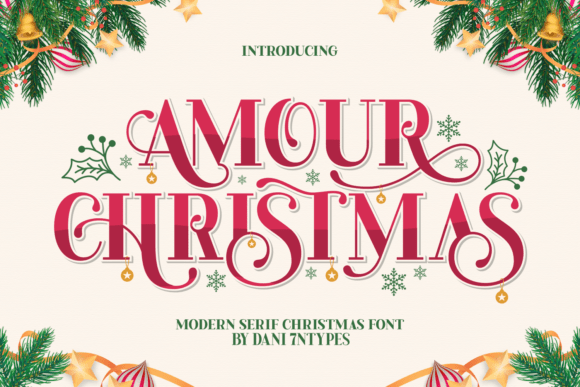
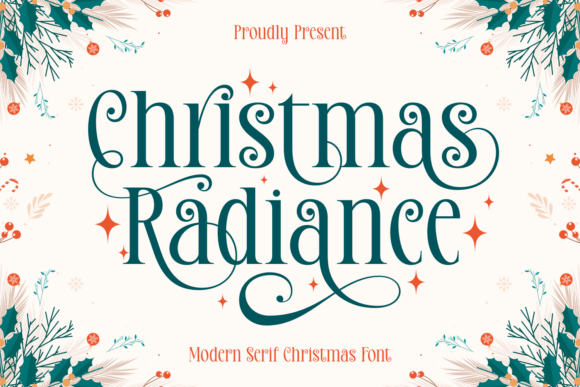
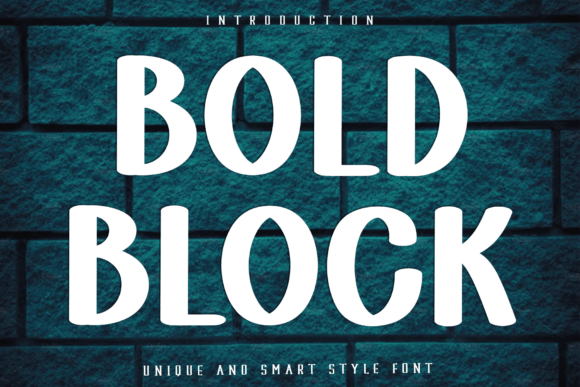
At its core, Bold Block is defined by its ability to bridge the gap between traditional print aesthetics and modern digital application. The name itself suggests a structural solidity, yet the execution is anything but rigid. It introduces a layer of enchantment through carefully crafted serifs, playful terminals, and integrated ornamentation that mimics the look of hand-lettered holiday signage or vintage postcards. When applied to a project, the font immediately signals cheerfulness and nostalgia, drawing the viewer into a specific emotional state associated with warmth, gathering, and giving.
What sets this typeface apart from generic "holiday" fonts is its balance. Many festive fonts lean too heavily into clutter, making readability difficult when used in larger blocks of text. Bold Block, however, maintains a strong legibility while offering those decorative touches that make it special. The characters are designed with a generous weight, ensuring they pop against various backgrounds, whether it is a deep forest green wrapping paper or a stark white snowflake pattern. This versatility allows it to function effectively as both a headline display font and a short-form body text option for cards and invitations.
Technical Mastery: Understanding PUA Encoding
A critical technical aspect that elevates Bold Block above standard commercial fonts is its use of Private Use Area (PUA) encoding. In the world of OpenType and TrueType fonts, the PUA refers to a section of the Unicode standard reserved for private use, allowing font developers to include glyphs that do not have a standard Unicode code point. For the user, this translates to an expansive library of characters, ligatures, and special symbols that are easily accessible without complex workarounds.
When a designer utilizes a PUA-encoded font like Bold Block, they gain access to a treasure trove of decorative elements directly within the character set. Instead of searching for external clip art or struggling with complex kerning adjustments to create a festive feel, the necessary ornaments—such as holly leaves, candy canes, snowflakes, and bells—are often built into the font file as alternate glyphs or specific ligatures. This means that typing a simple sequence of characters can automatically trigger a beautiful, context-aware decoration. This seamless integration streamlines the creative workflow, allowing professionals to focus on layout and composition rather than hunting for assets.
Strategic Applications in Professional Design
The utility of Bold Block extends far beyond casual home printing. In professional environments, where brand consistency and visual impact are paramount, this typeface serves as a powerful asset for seasonal campaigns. Marketing teams can leverage its cheerful ambiance to revitalize email headers, social media graphics, and promotional banners during the fourth quarter. The font's inherent festivity reduces the cognitive load on the audience; viewers instantly recognize the seasonal intent, which can increase engagement rates on holiday-specific calls to action.
Greeting Cards and Stationery
One of the most natural homes for this typeface is in the creation of greeting cards. Whether produced digitally for e-cards or printed on high-quality cardstock, Bold Block brings a personal touch that feels handcrafted. The decorative elements allow for intricate designs where the text itself becomes part of the illustration. For instance, a "Merry Christmas" header might feature letters adorned with tiny wreaths, while the body text remains clean enough to convey heartfelt messages clearly. This duality ensures that the sentiment of the message is never lost amidst the visual noise of the design.
Retail and Packaging Solutions
For business owners in the retail sector, packaging is a primary touchpoint for customer experience. Gift tags, product labels, and window displays benefit immensely from the bold presence of this font. Imagine a boutique clothing store using Bold Block on their gift tags; the whimsical flair adds a layer of luxury and thoughtfulness that suggests the item inside has been carefully selected. Similarly, bakery owners can use it on cupcake toppers or cookie boxes to evoke a sense of homemade tradition. The font's sturdy structure ensures it remains readable even when scaled down for small tags or embossed on textured materials.
Navigating Implementation and Workflow
Integrating a specialized font like Bold Block into a design workflow requires a bit of technical know-how, particularly regarding the PUA encoding. While the benefits are significant, users must ensure their software environment supports these extended character sets. Most modern design applications, including Adobe Illustrator, Photoshop, and InDesign, handle PUA glyphs seamlessly. However, web designers may need to take extra steps to ensure cross-browser compatibility if they intend to use the font online via @font-face rules.
When working with PUA-encoded ligatures, it is essential to understand how to trigger them. Often, these features are activated by typing specific character combinations or by enabling OpenType features within the design software. For example, typing a specific sequence might replace a standard letter with one featuring a hanging ornament. Educators teaching graphic design can use Bold Block as a case study to demonstrate the power of advanced typography and the importance of understanding font architecture. By exploring how these hidden glyphs work, students gain a deeper appreciation for the complexity behind seemingly simple typefaces.
Considerations for Accessibility and Readability
While the decorative nature of Bold Block is its greatest strength, it also presents considerations for accessibility. Designers must be mindful of where and how they apply the font. Using it for long paragraphs of instructional text or legal disclaimers is generally inadvisable, as the ornate details can hinder readability for individuals with visual impairments or dyslexia. The best practice is to reserve Bold Block for headlines, titles, and short phrases where its aesthetic value is maximized without compromising clarity.
Furthermore, color contrast plays a vital role when using such a detailed typeface. Because the font contains many small decorative elements, placing it on a busy background or using low-contrast colors can cause the details to disappear. Designers should opt for solid, high-contrast pairings to ensure that every flourish of the font is visible and impactful. This attention to detail ensures that the festive message is received by the widest possible audience.
Cultivating a Nostalgic Brand Identity
In an era dominated by minimalist and sans-serif trends, there is a growing appetite for typography that tells a story. Bold Block taps into a deep well of nostalgia, reminding audiences of classic holiday traditions and the tactile joy of physical mail and handmade gifts. Brands that wish to position themselves as warm, community-focused, or tradition-oriented can leverage this font to differentiate themselves from competitors who rely on sterile, corporate aesthetics.
The psychological impact of such a typeface cannot be overstated. The roundness of the letters, combined with the playful decorations, triggers positive emotional responses associated with childhood memories and family gatherings. For researchers studying consumer behavior, the use of such evocative typography offers insights into how visual cues influence purchasing decisions during peak shopping seasons. It suggests that the right font choice can be just as influential as pricing or product features in driving holiday sales.
Future Trends in Seasonal Typography
As digital platforms continue to evolve, the demand for dynamic and interactive typography is increasing. Bold Block represents a step forward in this direction, offering a rich set of glyphs that can be animated or interacted with in digital environments. We may see future iterations of such fonts incorporating variable weights or motion capabilities, allowing the festive elements to sway or sparkle on screen. For creators looking to stay ahead of the curve, mastering the current capabilities of PUA-encoded fonts like Bold Block provides a foundational skill set for navigating these emerging trends.
Ultimately, the value of Bold Block lies in its ability to infuse magic into the mundane. Whether it is a simple email signature, a storefront sign, or a personalized gift tag, this typeface has the power to elevate the design and connect with the audience on an emotional level. By understanding its technical underpinnings and strategic applications, designers can harness its full potential to create memorable experiences that resonate long after the holiday season has ended. The fusion of robust structure and whimsical detail makes it an indispensable tool for anyone looking to bring a touch of enchantment to their words.